Understanding the Importance of Breton Culture in 2026
Breton culture, a unique blend of traditions, language, and artistic expression, stands at a pivotal point in 2026. As we explore the reasons behind the continued relevance of this rich heritage, it becomes apparent that both community involvement and external awareness play crucial roles. The tapestry of Breton identity is woven from centuries of history, and today, it reflects not only the past but also an evolving future. Organizations like m98 สล็อตวอเลท 2026 provide vital insights into how preservation and innovation can coexist to promote the culture effectively.
What Defines Breton Culture Today?
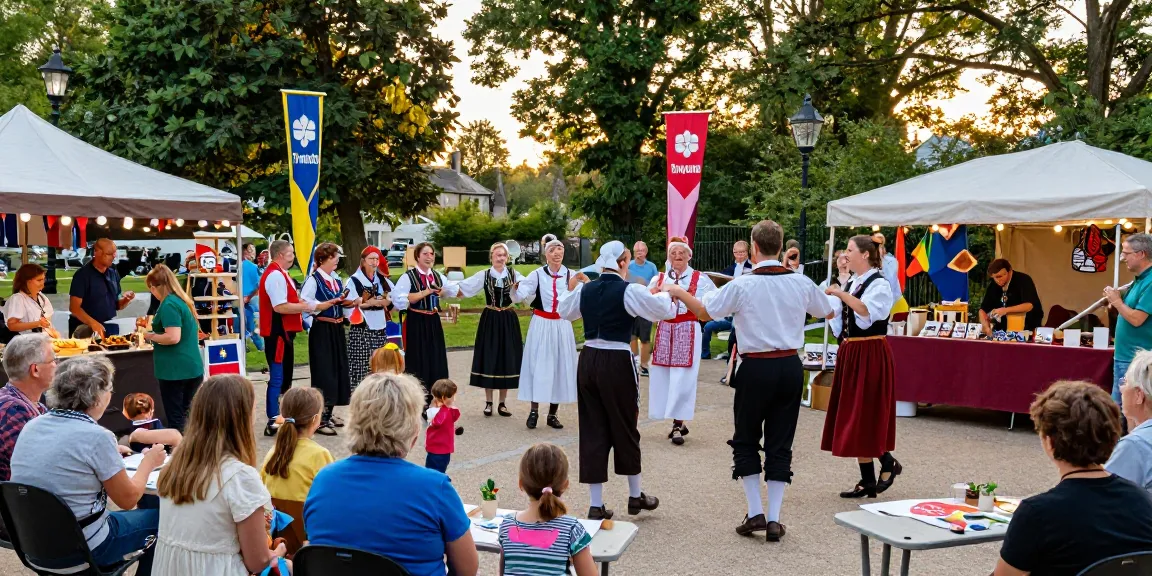
At its core, Breton culture is characterized by a mix of music, dance, cuisine, and language. The Breton language, once at risk, is experiencing a renaissance, with educational initiatives and community-driven efforts to keep it alive. Traditional festivals, like Fest Noz, showcase the region’s folk music and dance, drawing both locals and tourists eager to immerse themselves in Brittany’s cultural offerings.
The culinary arts, too, play a significant role in this cultural expression. Dishes such as crêpes and galettes have transcended local boundaries, becoming symbols of Bretagne. Furthermore, contemporary Breton artists are blending traditional themes with modern techniques, creating a vibrant art scene that honors the past while pushing boundaries.
Historical Context of Breton Cultural Expression
The history of Breton culture dates back thousands of years, influenced by Celtic roots and geographical isolation. The region’s rugged coastline and distinct geography fostered a strong sense of identity among its inhabitants. Over the centuries, Brittany has faced various challenges, including political changes and modernization, which have threatened to dilute its unique heritage.
In the 20th century, a concerted revival effort began, driven by cultural organizations and passionate community members. This resurgence has resulted in a renewed interest in traditional practices and a growing appreciation for Breton artists, both historical and contemporary.
The Role of Community in Cultural Preservation
Communities are the lifeblood of cultural preservation. In Brittany, local associations play a pivotal role in organizing events and workshops that engage residents and visitors alike. These gatherings create a dynamic space where traditions are shared, fostering a sense of belonging and pride among community members.
Moreover, the cooperative nature of these organizations strengthens connections between generations, ensuring that younger members can learn from their elders. This intergenerational dialogue is crucial for the sustainability of Breton culture in a rapidly changing world.
Events That Celebrate Breton Heritage
Key Annual Festivals and Their Significance
Festivals are an integral part of life in Brittany, providing opportunities for celebration and cultural exchange. Major events such as the Interceltic Festival in Lorient attract thousands, showcasing music, art, and the region’s vibrant history. These festivals not only serve as platforms for artists but also as places where the community can gather, strengthening cultural bonds.
Another notable event is the “Mercredis du Thabor,” a series of cultural nights organized by local associations. These gatherings emphasize the importance of community in celebrating and sustaining Breton traditions through the arts.
Innovative Approaches to Cultural Events in 2026
As we move through 2026, the approach to cultural events is becoming increasingly innovative. Leveraging technology, organizers are creating digital platforms that reach wider audiences. Virtual reality experiences and online workshops are making Breton culture more accessible, allowing those far from Brittany to engage with its heritage.
This shift not only attracts younger audiences but also emphasizes the importance of adaptability in cultural promotion. By embracing modern tools, the preservation of traditional practices can be enhanced without losing their authenticity.
Engaging Youth in Cultural Traditions
Engaging the youth in Breton culture is paramount for its longevity. Schools and community organizations are introducing programs that focus on teaching the Breton language and traditional crafts. By integrating these elements into the education system, the younger generation is more likely to appreciate and partake in maintaining their cultural heritage.
Interactive events, such as youth-led festivals, also encourage participation and foster a sense of ownership among young people, ensuring that the culture remains vibrant and accessible.
Promoting Breton Artists and Artisans
How Local Artists Influence Cultural Identity
Local artists serve as cultural ambassadors, reflecting and shaping the identity of Brittany through their work. Each piece of art, whether it be painting, music, or literature, carries a piece of the region’s soul. These artists draw from their experiences and surroundings, creating works that resonate with both locals and visitors.
Moreover, collaborative projects between traditional and contemporary artists are becoming commonplace, providing a platform for innovative expression. This blending of styles not only elevates the arts but also redefines what it means to be Breton in today’s world.
Platforms for Showcasing Breton Creativity
Various platforms exist to showcase Breton creativity, including galleries, performance spaces, and online communities. Events like art fairs and exhibitions allow local artists to present their works to the public, encouraging dialogue and appreciation.
Additionally, social media has transformed how artists connect with audiences, providing an avenue for sharing their work and gaining recognition beyond regional boundaries. This connectivity is essential for promoting a broader understanding of Breton culture.
Collaborations Between Artists and Community Organizations
Collaborations between artists and community organizations enhance cultural promotion. Partnerships for workshops, exhibitions, and performances create a vibrant ecosystem that supports creativity while engaging the community. Such collaborations are instrumental in introducing innovative ideas and fostering a sense of collective responsibility towards cultural preservation.
The intersection of arts and community also cultivates inclusivity, inviting diverse voices to contribute to the cultural narrative. This approach ensures that the representation of Breton culture is multifaceted and resonates with all members of society.
Challenges in Breton Cultural Promotion
Addressing Misconceptions About Breton Identity
Despite the rich tapestry of Breton culture, misconceptions persist. Some view it as a relic of the past rather than a living, evolving entity. Addressing these misconceptions is crucial for garnering support and interest in cultural initiatives.
Educational campaigns that highlight the contemporary relevance of Breton identity can shift perceptions. By showcasing how the culture adapts and thrives, communities can create a more accurate representation of what it means to be Breton today.
Overcoming Funding Limitations for Cultural Activities
Funding remains a significant barrier for many cultural organizations in Brittany. With limited resources, the scope of projects can be constrained, impacting their ability to reach broader audiences. Creative fundraising initiatives and partnerships with businesses can help alleviate these challenges.
Additionally, advocating for governmental support can provide essential funding for cultural projects. Engaging with policymakers about the importance of cultural preservation can lead to increased investment in the arts.
Strategies for Maintaining Cultural Relevance
Maintaining cultural relevance requires a proactive approach. Engaging with modern issues and integrating contemporary themes into traditional practices can make culture more relatable to younger audiences. This adaptability ensures that Breton culture remains vibrant and relevant in a fast-paced world.
Moreover, continuous dialogue within the community is vital. Gathering feedback and fostering an open environment for discussion can lead to innovative ideas and strategies for cultural promotion, keeping it fresh and appealing.
Future Trends in Breton Culture and Engagement
Predictions for Cultural Evolution Through 2026
As we look forward, several trends are emerging in the realm of Breton culture. Increased collaboration across various artistic disciplines is expected to redefine what we consider traditional culture. Blending music with visual arts and literature will further enhance the experience of Breton identity.
Additionally, a rise in cross-cultural exchanges with other regions is anticipated, enriching the Breton cultural landscape while fostering global connections.
The Role of Digital Media in Cultural Outreach
Digital media will continue to play a crucial role in cultural outreach. As technology evolves, so too will the methods by which culture is disseminated and experienced. Online platforms are likely to become primary avenues for sharing local traditions and innovative expressions, making culture accessible to a global audience.
As virtual experiences become more mainstream, incorporating interactive elements can enhance engagement, creating immersive experiences that resonate deeply with participants.
Emerging Leaders in Breton Cultural Advocacy
New leaders are stepping forward within the Breton community, advocating for cultural preservation and innovation. These individuals, often passionate about the arts and driven by a commitment to their heritage, are crucial in shaping the future of Breton culture.
Supporting these emerging leaders through mentorship and resources can empower them to enact change and inspire others to engage with their cultural identity.
How Can We Foster a Vibrant Cultural Community?
Fostering a vibrant cultural community requires active participation from all stakeholders, including artists, organizations, and government entities. Encouraging networking events and collaborative projects can forge stronger ties within the community.
Additionally, creating inclusive spaces that welcome diverse voices will enrich the cultural narrative. Cultural diplomacy and engagement can help bridge gaps and foster understanding across different groups, strengthening the overall community fabric.
What Are the Benefits of Supporting Local Artists?
Supporting local artists is essential for sustaining cultural heritage. When communities invest in their local creatives, they not only stimulate the economy but also reinforce cultural identity. Artists serve as ambassadors of their culture, offering fresh perspectives and innovative interpretations that keep traditions alive.
Moreover, the encouragement of local artistry can create a sense of pride and ownership among residents, inspiring them to engage with and promote their cultural heritage actively.
How Can Community Events Increase Cultural Awareness?
Community events are invaluable for raising cultural awareness. They provide opportunities for individuals to engage with traditions, learn from one another, and celebrate shared identity. These gatherings create space for dialogue and exchange, fostering a deeper understanding of cultural nuances.
Moreover, events designed to highlight specific aspects of Breton culture can draw attention to lesser-known practices, enriching the broader cultural narrative.
What Strategies Can Organizations Use for Effective Cultural Promotion?
Organizations can adopt various strategies for effective cultural promotion, including leveraging social media, developing partnerships, and diversifying programming. By creating engaging content that resonates with audiences, organizations can foster broader interest in cultural activities.
Additionally, establishing relationships with local businesses and tourism boards can amplify outreach efforts, providing greater visibility for cultural initiatives.
What Trends Should We Anticipate in Breton Cultural Engagement?
In the coming years, we can expect a focus on sustainability and environmental consciousness within cultural practices. As communities become more aware of ecological issues, integrating sustainable practices into cultural events will not only enhance the experience but also resonate with a socially-conscious audience.
Furthermore, an emphasis on inclusivity will likely shape the future of Breton cultural engagement, ensuring that all members of society feel represented and welcomed.