Understanding the Basics of Van Electrical Systems
The electrification of your van isn’t just about having a few lights and a refrigerator; it’s about creating a robust system that can handle your energy needs efficiently and safely. Whether you're embarking on short weekend trips or long-term travels, understanding the components and intricacies of your van's electrical system is crucial for a seamless adventure. With the rise of platforms like rokok88, resources have become more accessible for transforming your van into a mobile powerhouse that can support all your electronic devices.
What are the Key Components of Van Electrification?
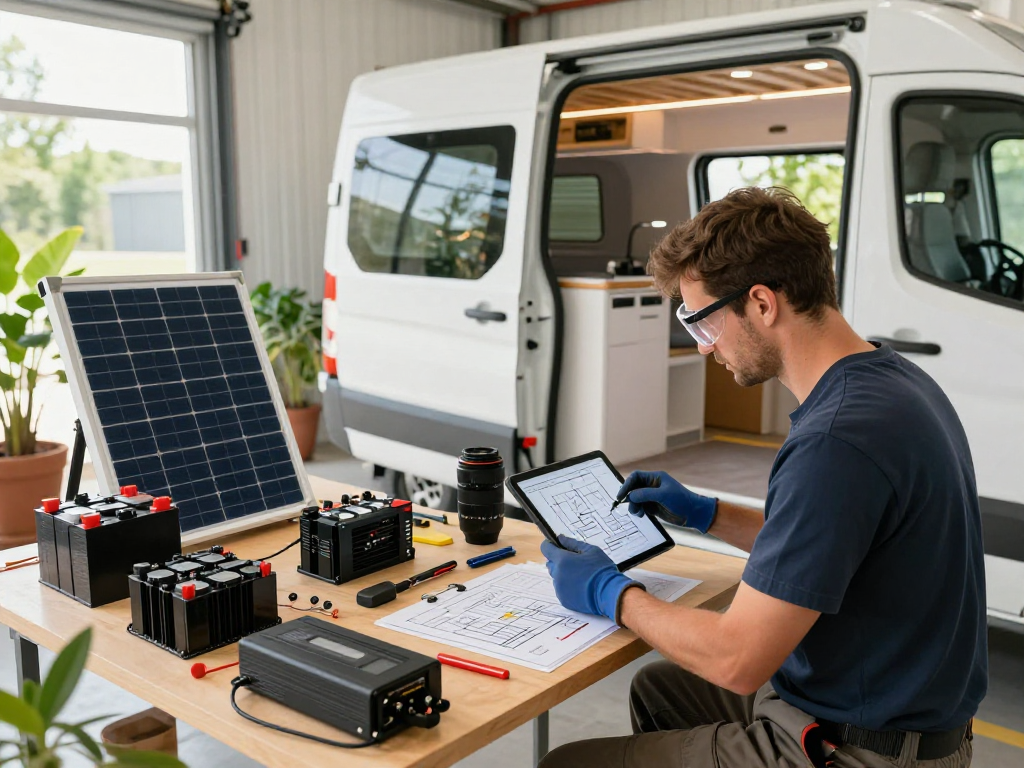
A well-designed electrical system in a van typically consists of several key components, including:
- Batteries: These are the heart of your electrical system, storing energy for later use. Options include lithium-ion and lead-acid batteries, each with its advantages and disadvantages.
- Inverters: These devices convert DC power from your batteries into AC power, allowing you to run household appliances.
- Solar Panels: Solar panels are a popular choice for renewable energy, providing a sustainable energy source when attached to the roof of your van.
- Charge Controllers: These devices regulate the voltage and current coming from the solar panels to protect batteries from overcharging.
- Wiring and Fuses: Proper wiring is essential to ensure safety and efficiency. Fuses protect your system from overload.
Essential Safety Measures When Upgrading Your Van's Electrical System
Safety should always be your top priority when working with electricity. Here are some essential safety measures to consider:
- Use Proper Cables: Always use cables that are rated for the voltage and current they will carry.
- Install Fuses: Fuses can prevent fires by breaking the circuit when there’s an overload.
- Ground Your System: Proper grounding can prevent electrical shock and equipment damage.
- Consult with Professionals: If you are unsure about your installation, it's wise to seek professional help to ensure your setup meets all safety standards.
Common Misconceptions about Van Electrical Systems
There are several misconceptions about van electrical systems that can lead to poorly designed setups:
- Myth: You only need one battery. In reality, depending on your usage, especially for longer trips, a dual battery system is often recommended.
- Myth: Solar panels are only for long-term van dwellers. Many weekend warriors can benefit from solar energy too, as it extends the time you can stay off-grid.
- Myth: All inverters are the same. It’s vital to choose the right inverter based on the loads you plan to run, as there are modified sine wave and pure sine wave options.
Choosing the Right Energy Sources for Your Van
When it comes to powering your van, understanding the different energy sources available is crucial.
Comparing Solar Power vs. Generator Power for Van Conversions
Both solar power and generator power have their advantages and disadvantages. Solar power is clean, renewable, and can often be obtained at no additional cost beyond the initial installation. Generators, on the other hand, can provide a more reliable and immediate power source, especially during extended periods of overcast weather. Ultimately, your choice will depend on your travel needs and lifestyle.
Pros and Cons of Lithium vs. Lead-Acid Batteries
Lithium batteries are lighter, have a longer lifespan, and offer more usable capacity compared to lead-acid batteries. However, they come at a higher initial cost. Conversely, lead-acid batteries are more affordable but require more maintenance and have a shorter lifespan. It’s essential to evaluate your budget and your power needs before making a decision.
Discovering the Best Inverters for Your Needs
Choosing the right inverter is critical for your van's electrical performance. Pure sine wave inverters are ideal for running sensitive electronics, while modified sine wave inverters are suitable for less sensitive appliances. Assess your power requirements carefully to make the most informed choice.
Step-by-Step Guide for Installing Solar Panels
Installing solar panels on your van can provide you with a reliable energy source that reduces your dependence on traditional power sources. Here’s how you can do it effectively:
Measuring and Planning Your Solar Setup
Start by sizing your solar system based on your power consumption. Calculate how much energy you need daily, considering all devices you plan to run. Use this information to determine the number of solar panels and battery capacity required.
Understanding Wiring and Connections for Safety
Make sure to use the correct gauge wiring for your setup, as this can impact performance and safety. Connect your panels in parallel or series depending on your system design. Always refer to manufacturer's guidelines for specific wiring instructions.
Tips for Mounting Solar Panels on Different Van Roof Types
Choosing the right mounting hardware for your van’s roof type is essential. Ensure that the surface is clean and free from rust. Use a sealant to prevent leaks and follow the specific height and orientation recommendations to ensure optimal solar exposure.
Building a Dual Battery System: What You Need to Know
A dual battery system can provide additional power and extend the lifespan of your starter battery. Here’s how to effectively set one up:
How to Configure Your Dual Battery Setup Effectively
Your dual battery setup should include a smart isolator or a DC-DC charger. This configuration allows your starter battery to remain charged, while your auxiliary battery provides sustainable power for your appliances.
Benefits of Using a DC-DC Charger in Your System
A DC-DC charger improves charging efficiency and can charge your auxiliary battery faster than traditional methods. This ensures that your power supply is always ready when you need it.
Common Issues with Dual Battery Setups and How to Solve Them
Common problems include overcharging, undercharging, or failure to connect properly. Regular monitoring and maintenance can help identify and rectify these issues early on.
Future Trends in Van Electrification for 2026 and Beyond
As technology advances, the future of van electrification looks promising. Here are some trends to watch:
Emerging Technologies in Van Electrical Systems
New battery chemistries, advanced solar technologies, and smart energy management systems are becoming more prevalent, allowing for more efficient and compact setups.
How Smart Systems Can Optimize Energy Efficiency
Smart energy management systems can learn your energy usage patterns and optimize performance by adjusting power flows, ultimately improving efficiency and reducing waste.
Community Insights: What to Expect in the Next Decade
The DIY van conversion community is rapidly growing. Collaborative platforms and forums are providing resources and knowledge-sharing opportunities that empower enthusiasts to enhance their systems.
What are the Best Practices for DIY Van Electrical Upgrades?
When upgrading your van's electrical system, always plan thoroughly, follow safety protocols, and engage with experienced builders for insights. Document your process to help others in the community.
How to Connect Your Van to Shore Power Efficiently?
Connecting to shore power requires a proper inlet and a suitable transfer switch to ensure safety and functionality. Make sure to understand your local electrical regulations before proceeding.
Getting Help: When to Consult a Professional for Upgrades?
If you feel overwhelmed at any point during your upgrade process, or if you are unsure about safety protocols, it’s advisable to consult with a professional to ensure your system is both efficient and safe.